Selecting the Best Dumpster Size for Your Project
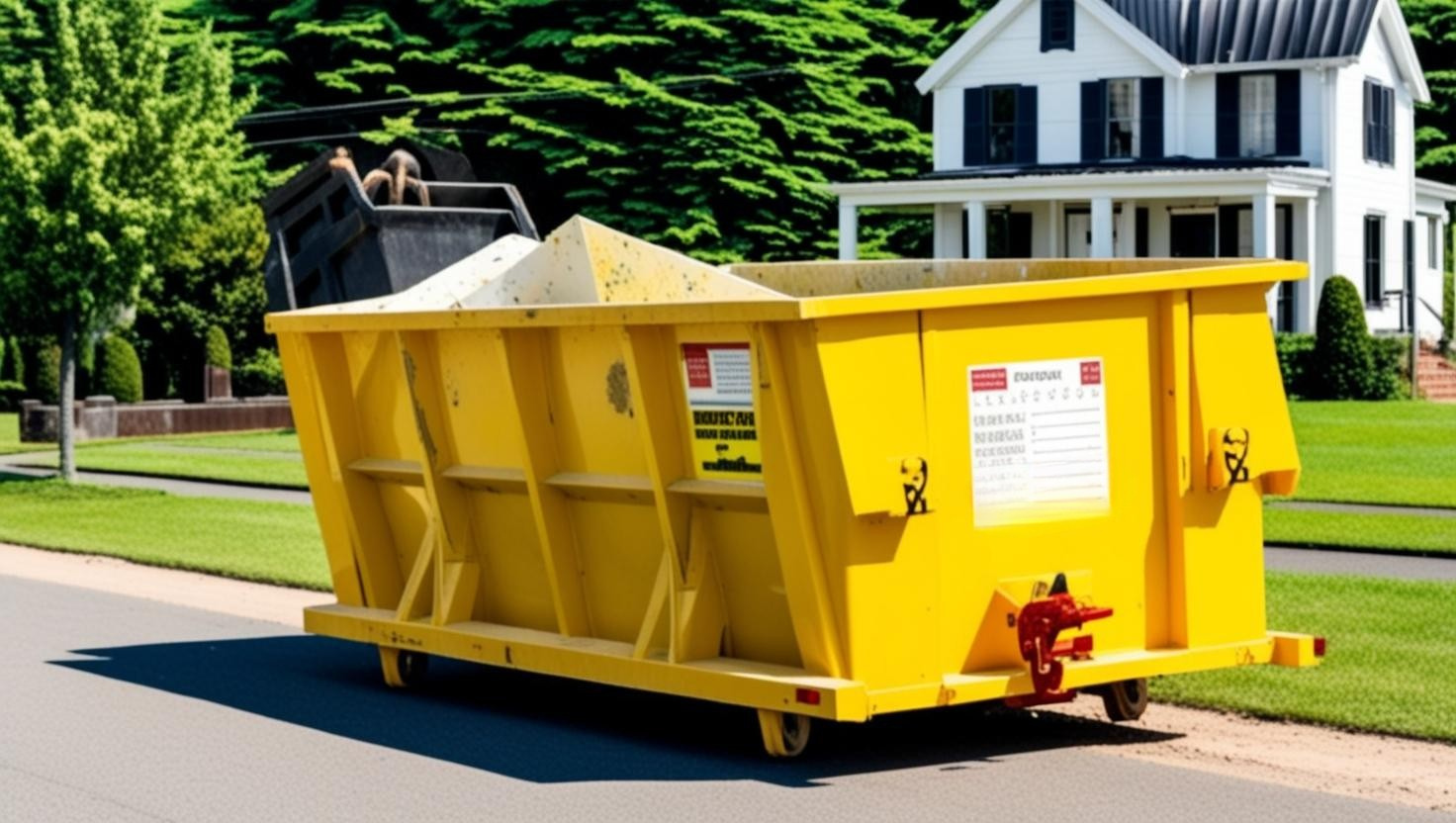
When planning a cleanup, renovation, or construction project, one of the most overlooked decisions is selecting the correct dumpster size. Many people focus on the work itself but fail to consider how waste will be managed, which can affect both efficiency and safety. A dumpster that is undersized can overflow, requiring extra hauls, while one that is oversized consumes valuable space. The foundation of waste management lies in choosing the right container, allowing debris to be handled in an orderly fashion.
At Junk Bee Gone, we understand how vital this decision is for the success of your project. A dumpster is more than just a bin for disposal; it is a critical tool for keeping worksites clean, orderly, and hazard-free. Assessing your disposal needs ensures that progress continues without unnecessary interruptions. Selecting the right size clears work areas and improves overall safety. With the right approach, selecting a dumpster becomes a strategic choice rather than a guess.
Assessing the Scale of Your Job
The first step in choosing a dumpster is to carefully assess the scope of the project. Jobs may range from minor cleanouts to major construction work. Debris levels depend on the task and the materials it generates. For example, furniture, household items, roofing, or yard waste each produces different amounts of debris. Factoring in the total debris expected helps predict the right container size.
Think about the duration of your project as well, since longer jobs typically accumulate more debris over time. If your website work involves multiple phases, such as demolition followed by construction, the waste load will change as the project progresses. Taking these factors into account ensures that the chosen dumpster can handle the total volume without interruption. This approach prevents costly delays and reduces the need for additional pickups, keeping your project on track. In the end, considering both scope and duration gives you a more accurate match for your waste disposal needs.
Types of Waste and Their Impact on Dumpster Choice
The nature of waste varies, making it important to identify material types before choosing a dumpster. Weighty items such as concrete and soil differ greatly from lighter materials like furniture or paper. The volume of bulky debris differs even when the weight appears manageable. Incorrect assumptions cause strain on the container and poor space usage. Understanding waste type allows for efficient container use.
Listing out debris categories ahead of time ensures a more precise dumpster match. Consider whether your cleanup will involve mainly household clutter, yard debris, or construction rubble. Every material type comes with distinct factors that affect the best container. Knowledge of material types promotes smarter planning and efficient use of dumpster space. Proper preparation creates balance between debris type and dumpster size, keeping the process smooth.
Placement and Space Planning for Dumpsters
Where the dumpster will be placed is another important factor in making the right choice. It should be positioned where access for delivery and pickup is smooth and users find it practical. If your property or job site has limited space, a container that is too large could cause logistical challenges. Conversely, a dumpster that is too small may force frequent moves, slowing down progress. A balance between available space and container size is crucial for efficiency and safety.
The site’s overall layout, such as driveways or open spots, should influence the choice. Taking accurate measurements avoids unexpected problems during drop-off. Accessibility is also crucial, as the dumpster should be positioned so that it does not block important pathways or create safety risks. Smart placement means the container remains practical and efficient to use from start to finish. Careful planning of space supports productivity and prevents avoidable complications.
Calculating Waste Volume Correctly
Accurately estimating the amount of waste your project will generate is one of the most important steps in selecting a dumpster. Many people underestimate how quickly debris can add up, which can result in overflowing bins and added stress. A systematic approach works best, beginning with an inventory of items or materials you plan to dispose of. Dividing the job into phases and estimating debris at every stage gives you a clearer understanding. This careful planning minimizes surprises and ensures that your container can handle the full workload.
Imagining debris in terms of truckloads is another way to match it to container requirements. It may seem waste requires little space, but oversized items like furniture quickly fill a container. It is wiser to overestimate a bit, ensuring room for unplanned debris. Accurate assessment helps you pick a container that supports your project without disruptions. Such foresight ensures a steady workflow and prevents problems with insufficient container space.
Benefits of Choosing the Right Size
Selecting the correct dumpster size provides several advantages beyond simple waste collection. When a dumpster fits correctly, clutter is reduced, supporting both safety and productivity. Workers spend less time moving debris around and more time focusing on their tasks. Good organization creates a professional workflow, leaving tools and areas open for use. In the end, having the correct dumpster leads to smoother work and reduced risks.
A further advantage is avoiding repeated trips or additional pickups. With a container that accommodates everything, progress flows steadily from beginning to end. Avoiding repeat trips leads to better resource management overall. Most importantly, having the right dumpster size prevents frustration and allows your project to move forward without interruptions caused by waste management issues. This peace of mind enhances productivity and confidence throughout the project.
Working With Professionals for Guidance
When in doubt about the right dumpster size, working with experienced professionals is the best way to ensure success. Professionals analyze your project and give advice rooted in extensive experience with various wastes. A trusted provider knows how to match container capacity with project demands, saving you from costly mistakes. This guidance is especially important for people renting a dumpster for the first time or managing uncommon waste. Professional input streamlines the decision-making process and removes uncertainty.
Junk Bee Gone has guided many clients in choosing the right container for their requirements. We review your project information closely, considering both materials and expected waste volume. From there, we recommend a dumpster that combines practicality and ease of use, letting you stay focused. Our professional guidance gives you reassurance that the container you choose is well-suited. Relying on professionals ensures dependable and hassle-free disposal.
Making an Informed Dumpster Choice
Choosing the right dumpster size is an essential part of successful waste management for any project. By considering the scope of your work, the type of debris, available space, and the estimated volume, you can make a more informed decision. These steps help ensure efficiency, safety, and organization from beginning to end. A well-planned choice avoids unnecessary complications, keeping your project moving forward with confidence. Smart sizing decisions promote dependable and confident work flow.
At Junk Bee Gone, our commitment is to guide clients toward smarter choices for their debris management. With our knowledge, we can point you to a container that aligns with your job’s requirements. No matter if the project involves renovations, cleanouts, or construction debris, we guarantee smooth and dependable disposal. With the right dumpster in place, you can focus on what truly matters: completing your project successfully. Our mission is to ensure waste management is straightforward and supports your success.